Bresser Condor 10×50 Binoculars by Bresser

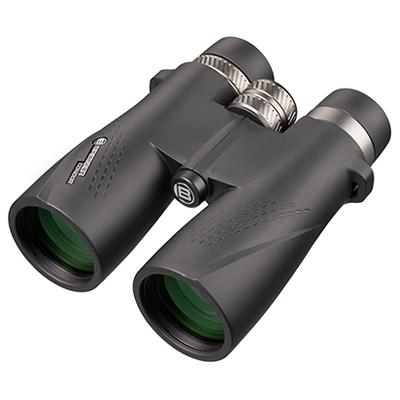
Bresser Condor 10x50 BinocularsBresser Condor 10×50 Binoculars
Bresser Condor Binoculars with 50mm objective lenses and 10x magnification are designed for you to observe faraway objects with clarity. Their anti-reflection optics and BaK-4 roof prism design are combined to produce bright and clear images, even in low light conditions. These Condor Binoculars have a 5.25mm exit pupil that allows you to observe the entire field of view without vignetting.

Price: £197.00

Buy Now from Warehouse Express

Bresser Condor 10×42 Binoculars by Bresser

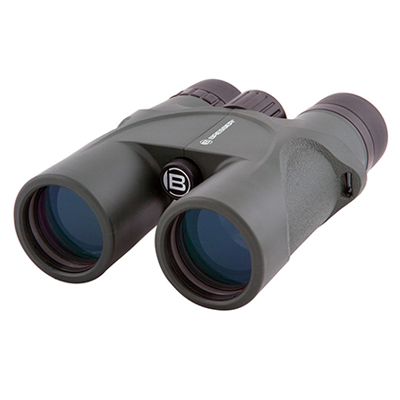
Bresser Condor 10x42 BinocularsBresser Condor 10×42 Binoculars
Bresser Condor Binoculars with 42mm objective lenses and 10x magnification are designed for you to observe faraway objects with clarity. Their anti-reflection optics and BaK-4 roof prism design are combined to produce bright and clear images, even in low light conditions. These Condor Binoculars have a 5.25mm exit pupil that allows you to observe the entire field of view without vignetting.

Price: £188.00

Buy Now from Warehouse Express

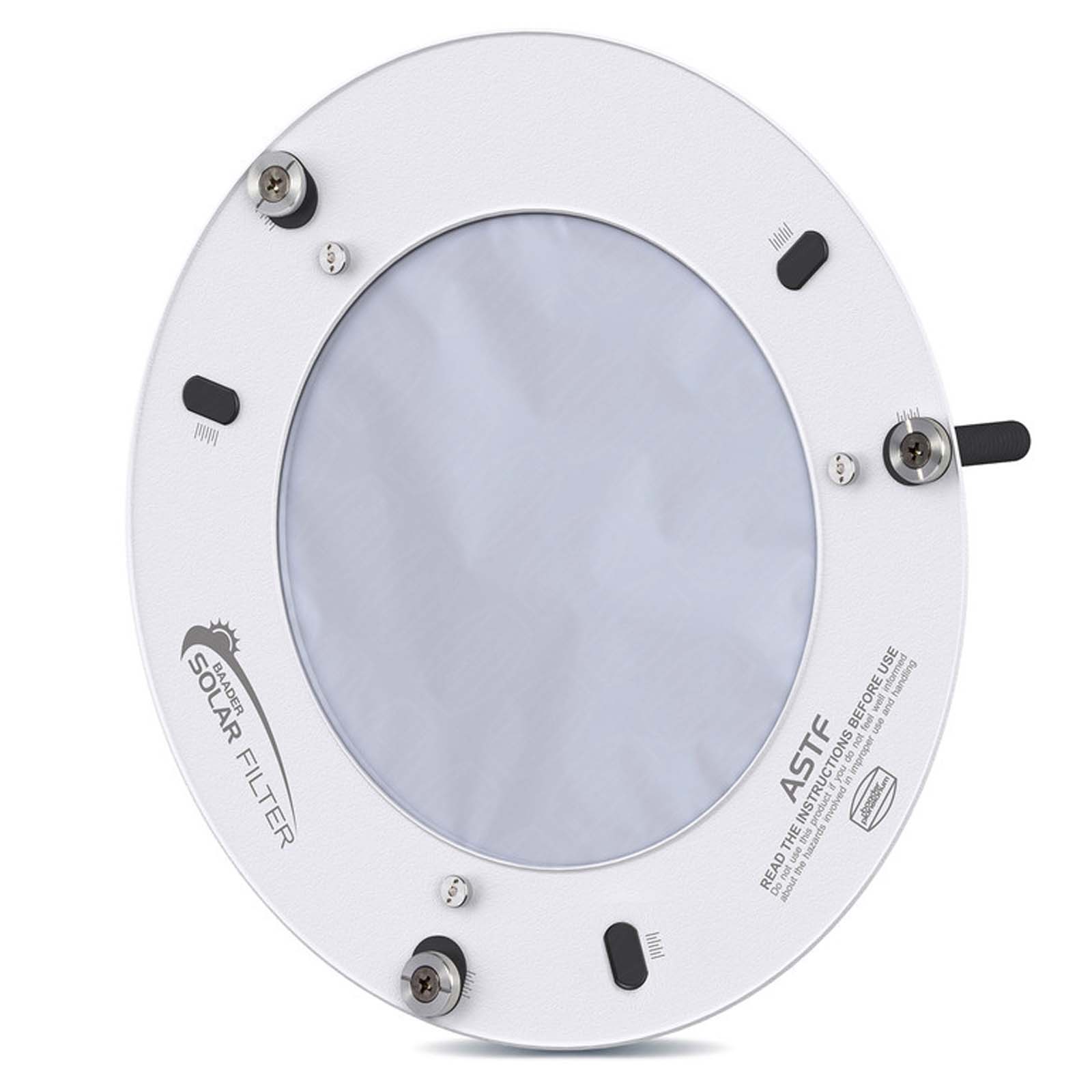
Baader Astrosolar Telescope Filter 140mm by Baader

Baader AstroSolar Telescope Filter 140mmBaader Astrosolar Telescope Filter 140mm
The AstroSolar family of telescope filters are made with the utmost precision, ensuring high-quality observations of the sun using OD 5.0 Safety Film, clear aluminium front frames, and powder coated white IR-rejecting paint. These filters are supplied with 3 centring-bolts, sliding fasteners and 3 additional safety straps to provide an incredibly secure attachment that minimises potential damage.

Price: £50.00

Buy Now from Warehouse Express

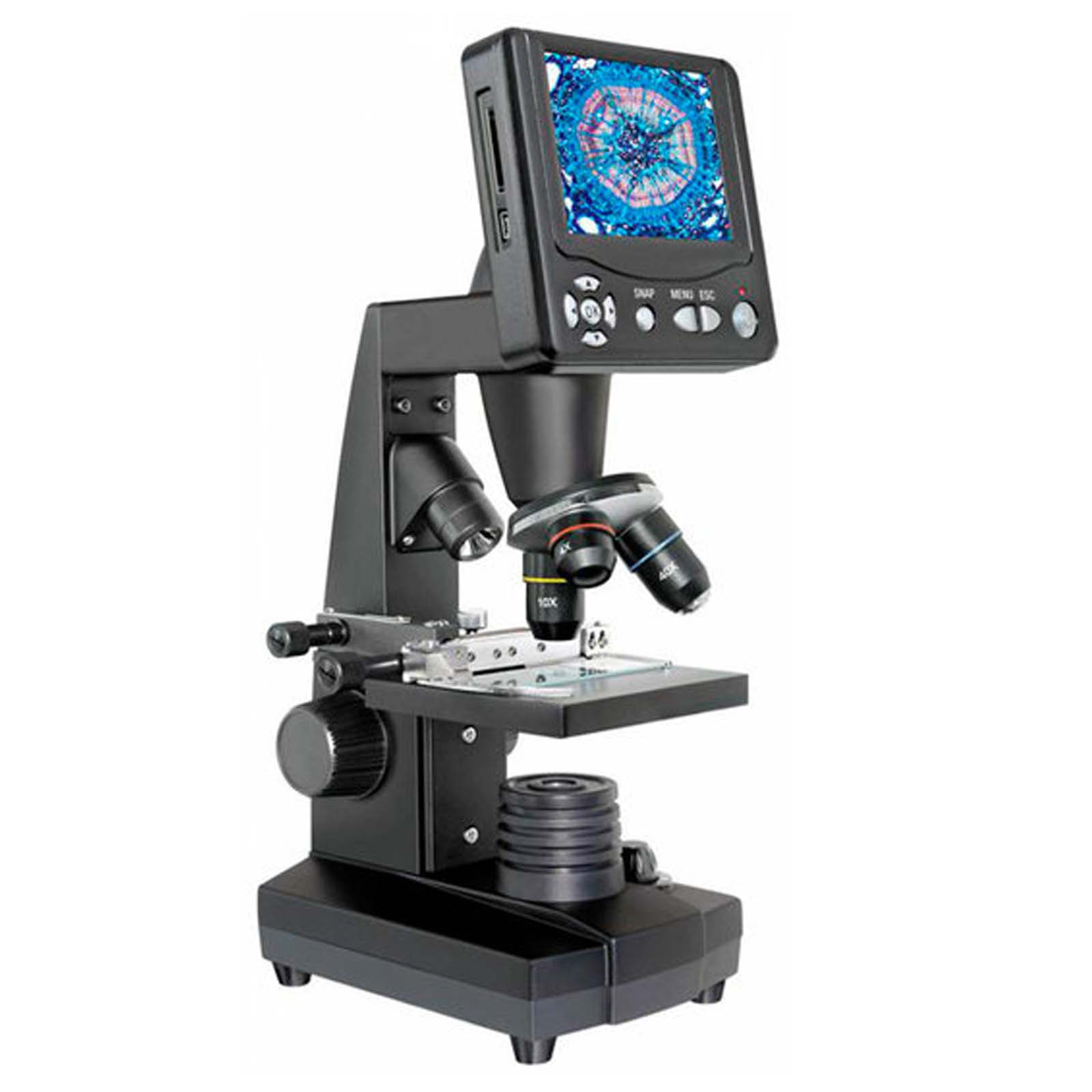
Bresser 50-2000x 8.9cm Lcd Microscope by Bresser

Bresser 50-2000x 8.9cm LCD MicroscopeBresser 50-2000x 8.9cm Lcd Microscope
The Bresser 500x LCD Microscope 8.9 cm is a beginner-friendly microscope and the integrated screen can be used to observe results by several people simultaneously. It provides a magnification range of 50-500x and 2000x for digital observation. The AC powered microscope has an LED light for proper illumination and is compatible with external storage (SD card) of up to 32 GB.

Price: £208.00

Buy Now from Warehouse Express

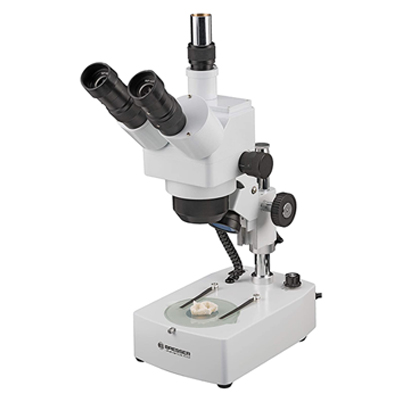
Bresser Advance Lcd 10x-160x Stereo Microscope by Bresser

Bresser Advance LCD 10x-160x Stereo MicroscopeBresser Advance Lcd 10x-160x Stereo Microscope
The Bresser Advance ICD 10x-160x Stereo Microscope is a trinocular microscope built for advanced research. Featuring a combination of Stereo Zoom Objective (1x-4x), an additional 2x auxiliary lens, and two pairs of the wide-field eyepiece (10x and 20x); this microscope offers an impressive magnification range of 10x to 160x. It provides bright halogen illumination and accurate image replication.

Price: £578.00

Buy Now from Warehouse Express

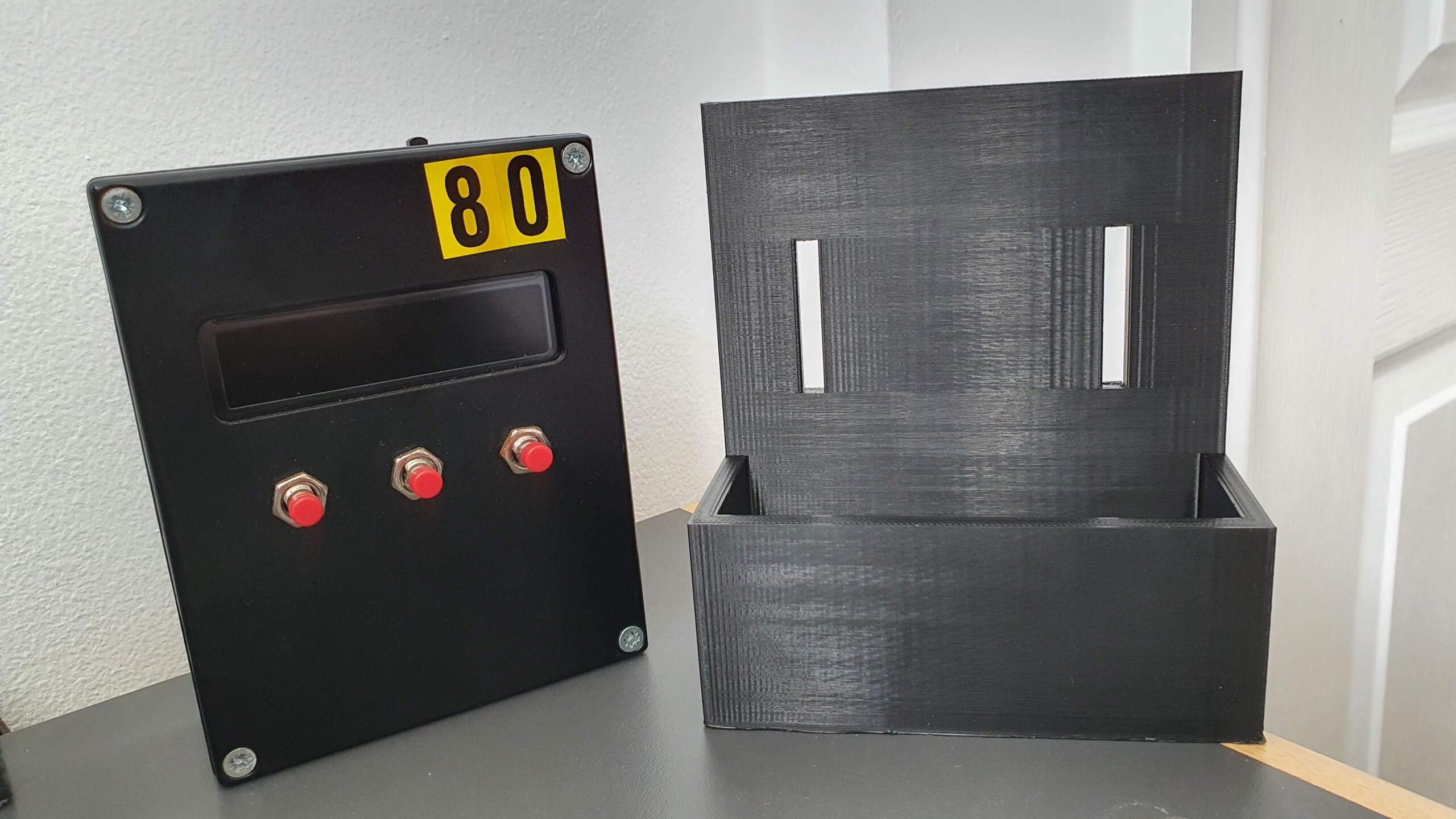
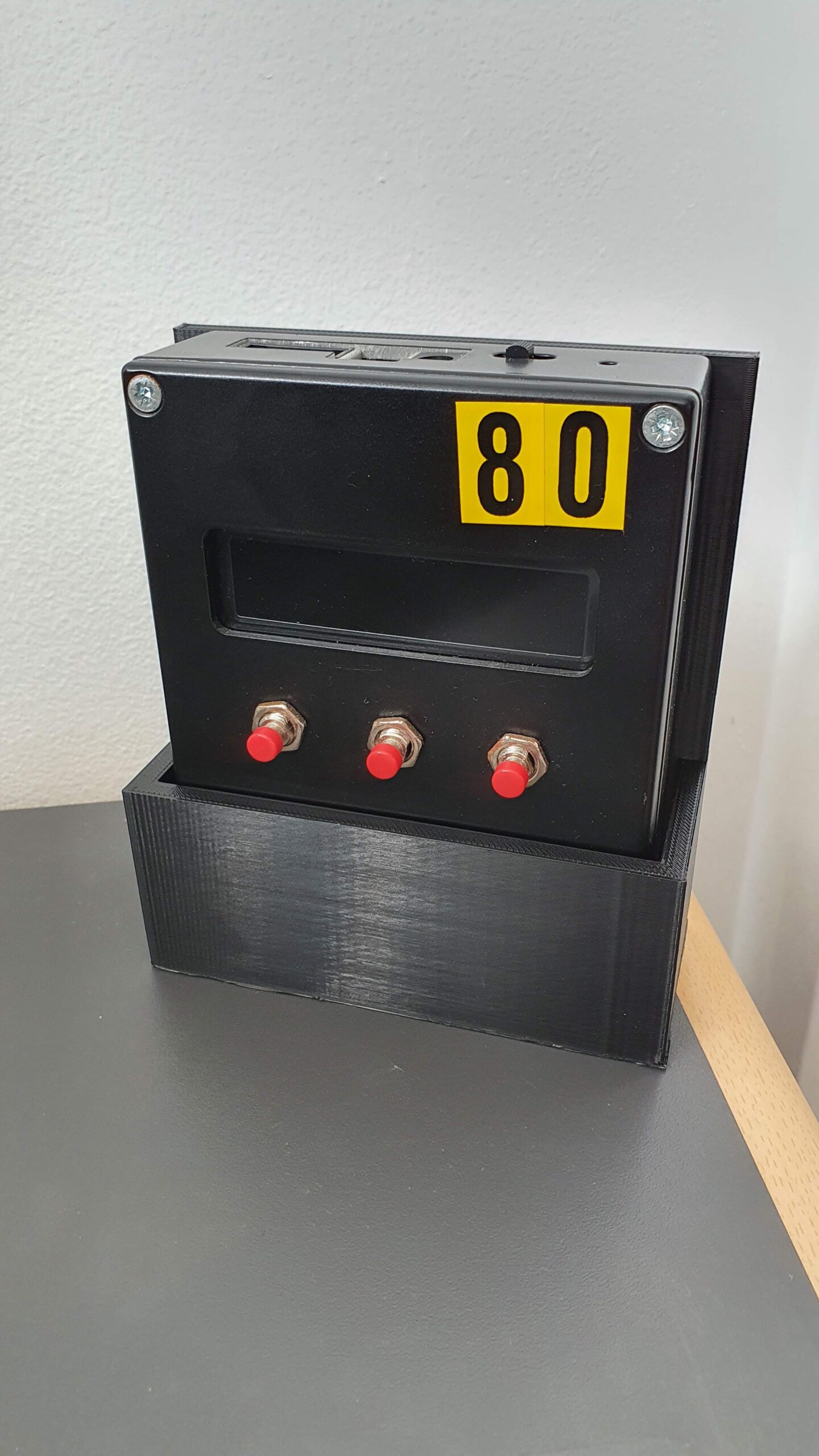
Lakeside Focuser Control Box Bracket Holder

I have my Lakeside Focuser boxes around the outside of my metal pier held on by wrapping a wide piece of velcro around them. The problem is they do move a bit now and again. So I decided to design and build some Lakeside Focuser control box holders. I added two slots in the back to still take the velcro straps, but you could drill holes in the brackets if you wanted to hang them somewhere else.

I made the first one slightly too wide, so decided to remove 2mm off of the width for the second box holder. Now the Lakeside Focusers will remain in place and also remain safe.

Lakeside Focuser Control Box Holder

Lakeside Focuser Control Box Holder

Partial Solar Eclipse 10th June 2021

After days of hot and sunny and cloudless skies of course on the day of the solar eclipse it was nearly 100% cloud cover. I nearly didn’t even both opening the observatory roof. But I still did and it wasn’t until about 11.30am that the clouds started to clear. The actual partial solar eclipse was scheduled to end in the UK around 12.30pm.

My mount was not aligned or ready to slew to point me at the Sun, so it was a matter of loosening the mount clutches and moving the scope around until I found the Sun in the eyepiece I had attached.

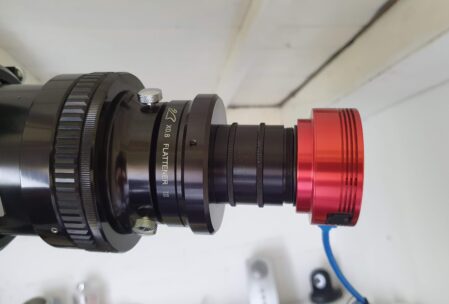
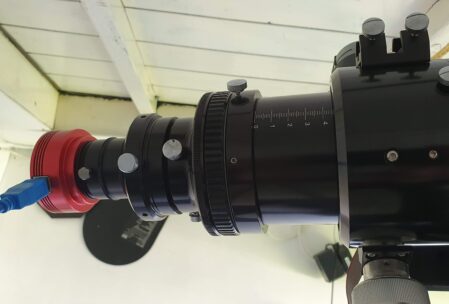
I performed all my imaging using a homemade Mylar solar sheet that I had turned into a cover for the end of my Altair Astro 80mm triplet telescope. I also added a Williams Optics 0.8x flatenner, some extension tubes and of course the ASI120 MM camera. See my other post for more information and images of my set up.

I used Firecapture software to capture my video and it took me a while to get the settings perfect (as well as the focus) as the lingering clouds were messing things up for me.

Here are the settings I ended up using:

File type=AVI
ROI=1280×960
FPS (avg.)=27
Shutter=0.130ms
Gain=8 (8%)
Gamma=95

This was with no UV/IR or Solar Continuum filters.

I wanted to grab as many frames as possible in each video, but  I was worried about getting too many and bringing blur into the final image. I finished off with about 20 videos with the solar eclipse at different stages.

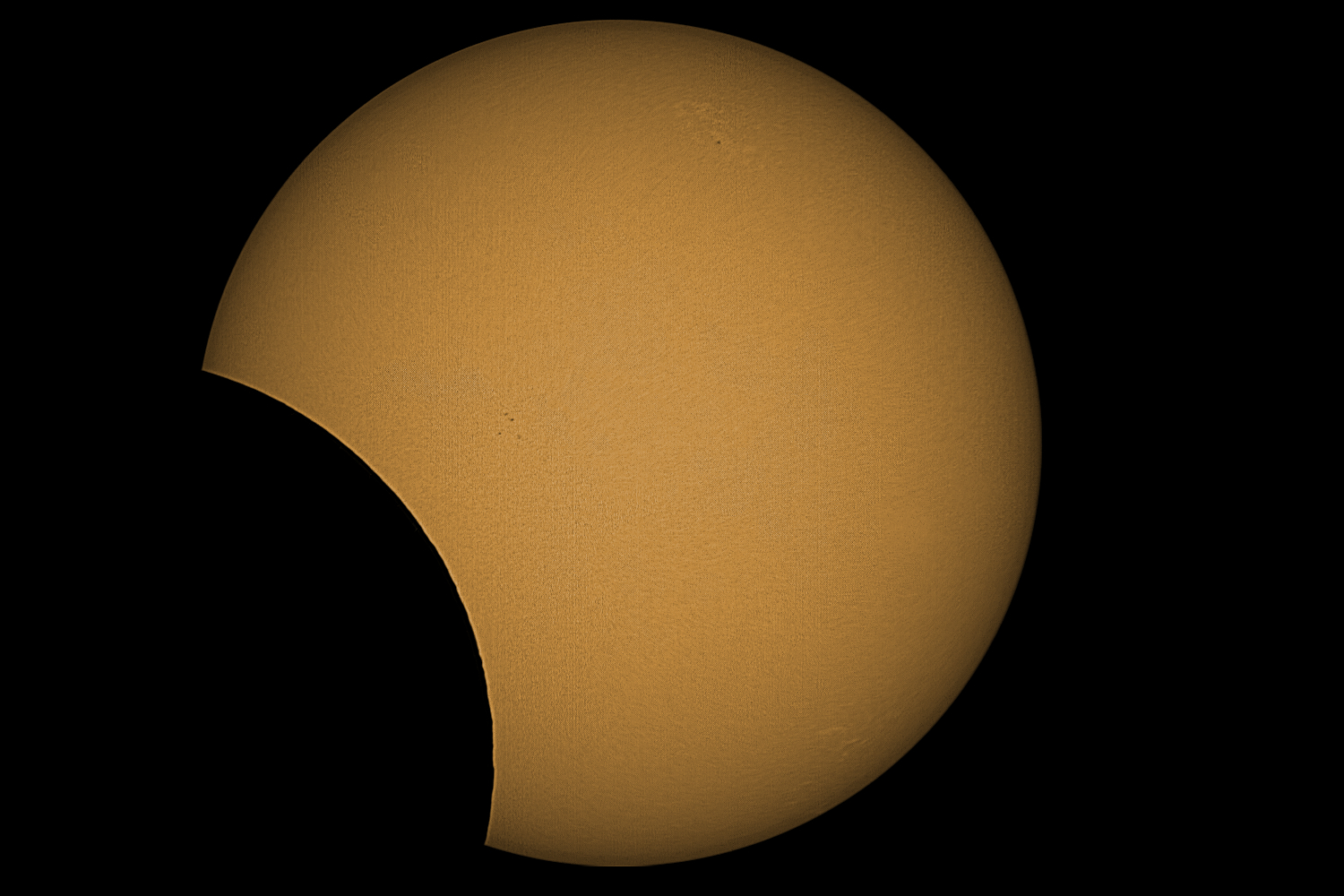
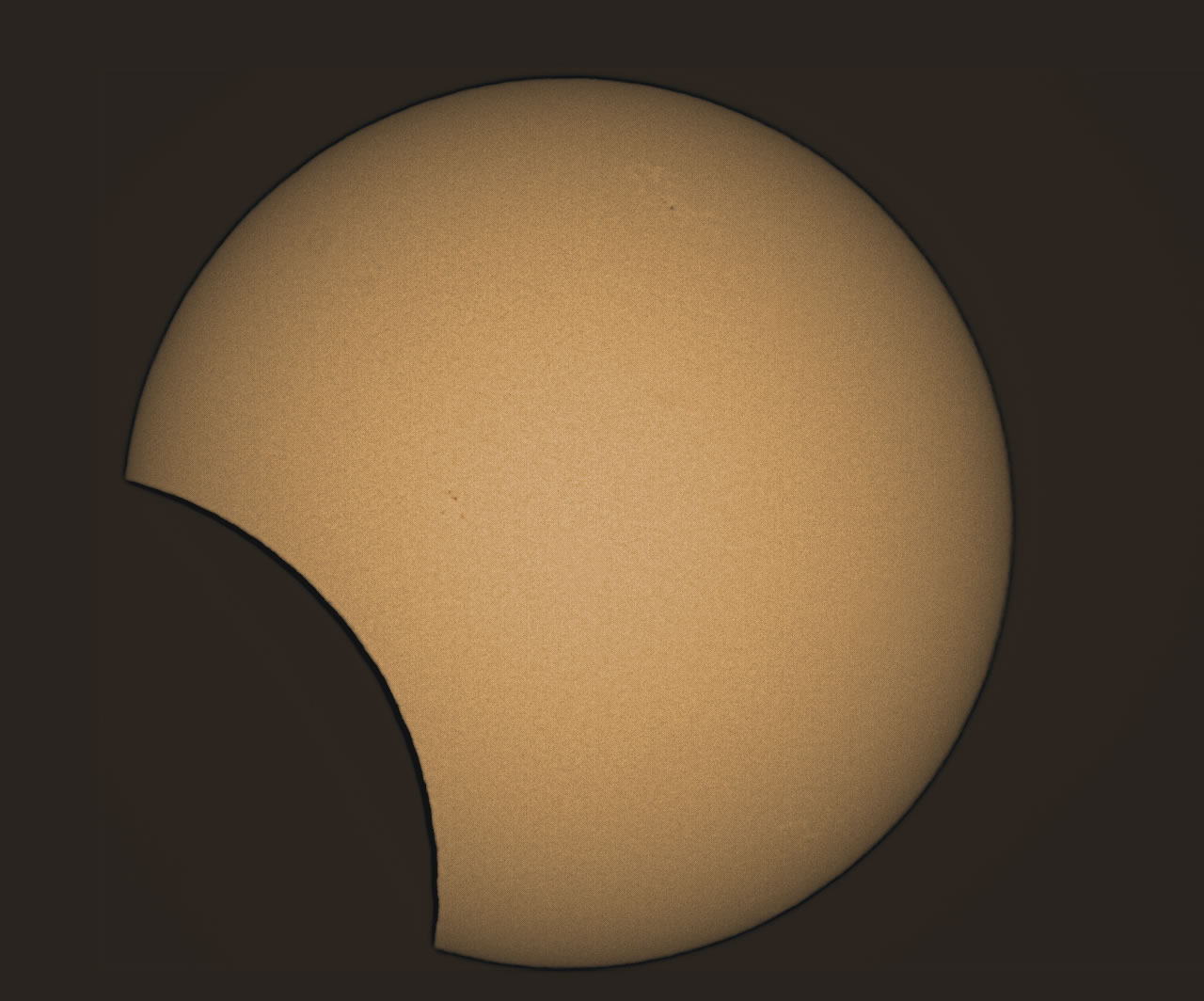
After bringing the video files indoors I used a mixture of AutoStakert and GIMP to give the images some false colour as all my images were in mono from the mono camera.

Partial Solar Eclipse June 2021

Solar Partial Eclipse 2021

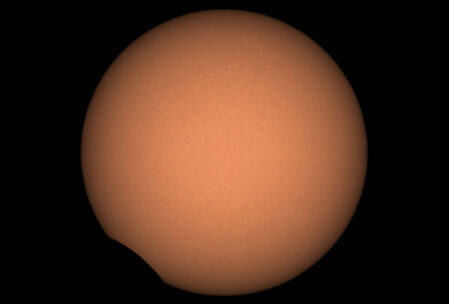
Ending of the Partial Solar Eclipse 2021


3D Printed Solar Finder

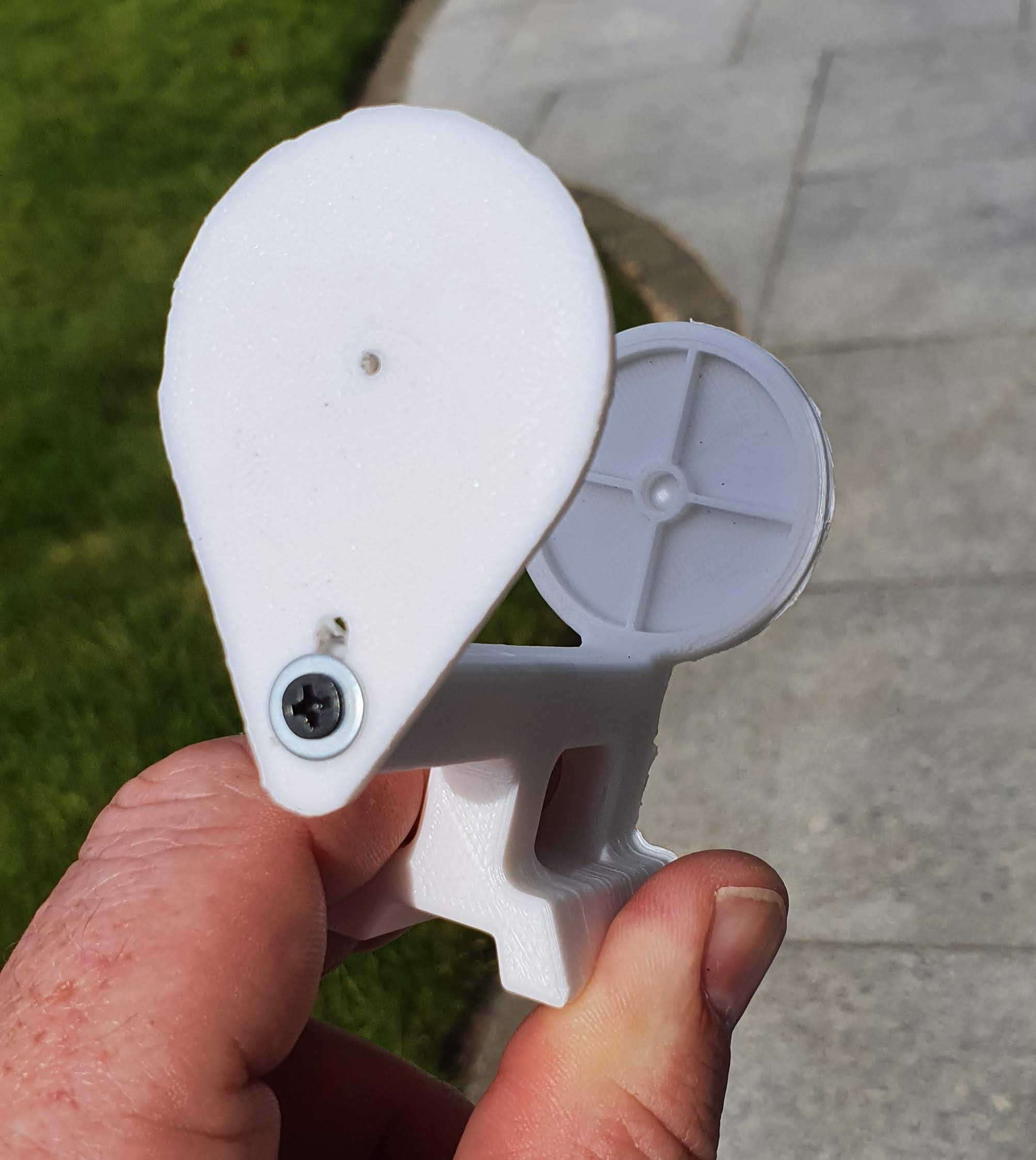
I could really have done with this on the day of the partial solar eclipse on 10th June 2021. I didn’t have any way of aligning the telescope on the Sun that day. It was made even harder when it was very cloudy for most of the morning. I found this solar finder on Thingiverse. I did consider making my own, but there were already several on the website.

I printed this on my Bresser T-Rex2 3D printer in white PLA filament with 50% infill and at 0.2 resolution with supports.

There is space for a nut and bolt to secure it together but I just went for a small washer and a screw to fit them together.

I liked this design as you could move the finder in the vertical axis, whereas a lot of other designs were fixed. In full sunlight you can see the dot on the front and the back of the solar finder.

3D Printed Solar Finder


Preparing for the June Partial Solar Eclipse 2021

Well it’s been a while, but on Sunday I cracked open the observatory shed roof and started to prepare for the partial solar eclipse on 10th June 2021.

I have decided to image the solar eclipse in white light using a solar filter that I previously made. I shall be using my trusty ASI 120MM-S mono camera, The software I am going to use is FireCapture.

Well it took a bit of remembering what to do software wise, regarding EQMOD toolbox, focusers and using FireCapture. I started getting all the camera attached and then finding the sun and then trying to get focus.

It then dawned on me I probably would not get focus as the camera was too close to the focuser. It then took me a while to hunt for some extension tubes with the correct adaptors and then try again. Finally I managed to get focus but found out the Sun was too large when using the 80mm triplet telescope to fit on the screen/chip.

Back I go indoors to find out what focal reducers I had. I had a 0.8x Williams Optics focal reducer so used that, and then had to get the correct adaptors again to make it all join together.

Now the Sun just fits onto the chip of the ASI120MM-S.

I remembered all the problems of trying to focus and see the actual screen of the computer when the sunny sky is above your head. It was a lot better to go indoors and remotely connect to the observatory PC and view the screen indoors.

But that’s only half the story it was then time to try and work FireCapture. I ended up recording in SER format. Which I don’t like as the video seemed a bit grainy. I shall change to AVI format next time. I brought the video  into the house and used Registax 6 to stack it and then GIMP to add some false colour to the final image.
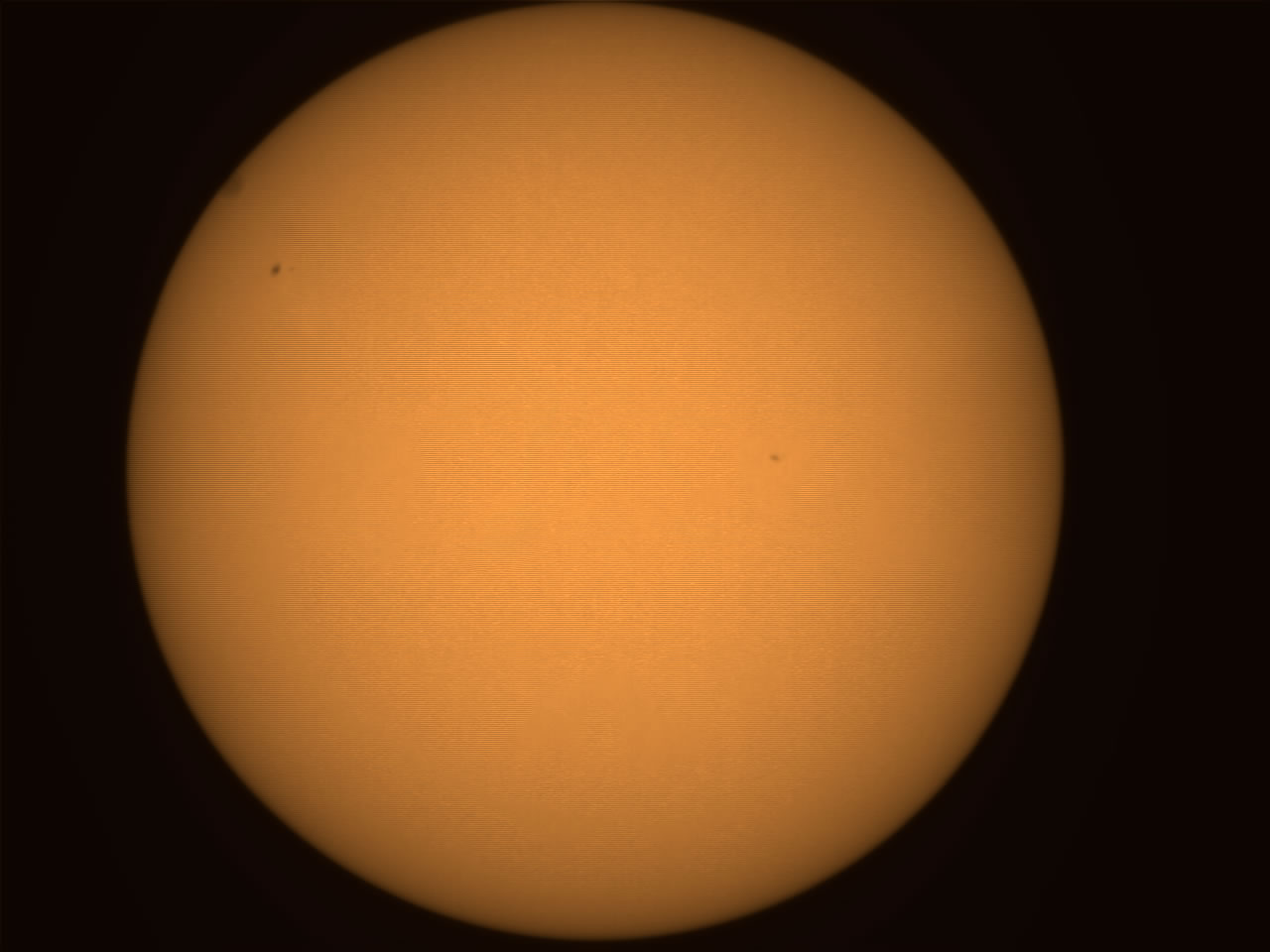
The Sun 5th June 2021

Here’s the setup I’m going with:

Partial Solar Eclipse Setup Partial Solar Eclipse Setup

Shown in the images:

  • Williams Optics x0.8 Focal Reducer/Flattener
  • 2x small extension tubes
  • T2 to 1.25″ converter
  • ASI 120MM-S camera
  • Altair Astro 80mm triplet telescope


Philips 2021 Stargazing Month by Month Guide to the Night Sky Book

Philip’s Stargazing month by month 2021 guide is the perfect practical guide for both budding and experienced astronomers. This very popular and best selling astronomy book covers Britain and Ireland. The new 2021 edition has been completely revised to ensure it is totally up-to-date for exploring the wonder of the night skies, month-by-month and day-by-day.

This new edition has been written by  Nigel Henbest and Heather Couper and is really well laid out and easy to use.

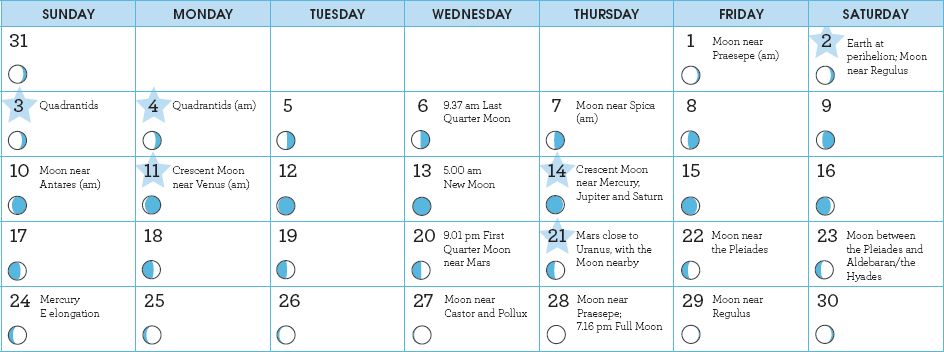
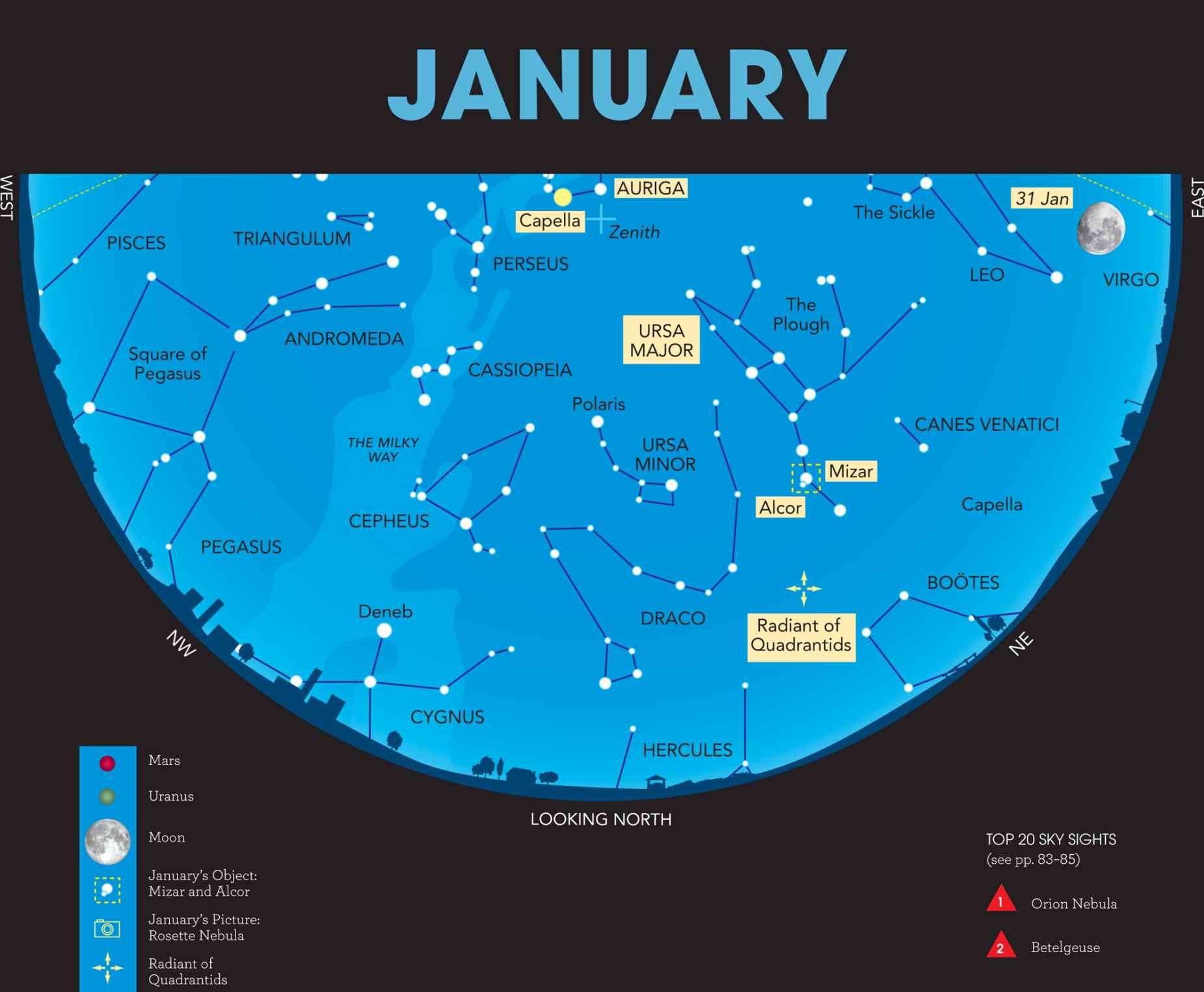
The monthly star charts with calendar, The Planets, Moon, and Special Events mean you will never miss anything again. The monthly “Observing Tips” help you locate objects and “Observing Technology” provide an insight to the selection and use of telescopes and binoculars.

The highlights of the year section will also give you lots of warning to plan for the events throughout 2021. There is a jargon buster, objects of the month in full colour and a really handy calendar telling you about the moon phases and any events happening during the month.

The book also finishes off with a list of the Top 20 sky sights for the year and a section written by Robin Scagell on choosing and using binoculars.


The Philips 2021 Stargazing Month by Month Guide is available as a paperback book or now in an Amazon Kindle version. Don’t think of it as just on a black and white Kindle Paperwhite device but you could read it via the Kindle app on any mobile phone or tablet device in full colour.

The Philips 2021 Stargazing Month by Month Guide to the Night Sky Book is available now from Amazon