Archive for April, 2008

Tonight I attended the first night of the Cambridge Astronomy Associations Introduction To Astronomy course which was held at the Institute of Astronomy in Cambridge.

Tonights talk was entitled “Things that go bump in the night” by Brian Lister. Brian took us through the basics of the solar system with some very interesting images of various craters. This included the Mead crate on Venus which is 280km wide, as well we the 65km wide crater in Quebec and the 200km Hellas Basin crater on Mars. There were also images of the Abulfeda crater chains on the moon.

Brian also conducted a couple of experiments, one was to demonstrate how stars explode, by inflating and exploding a balloon in a cardboard box full of packing material. See the video of this below, the experiment did not quite work as expected, or as I expected anyway.

After the talk was over and we had our tea and biscuits we headed out to one of the telescopes on the Cambridge site to view Saturn.
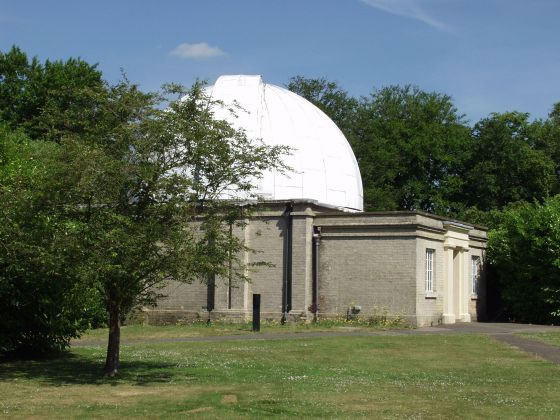
Cambridge Institute of Astronomy Northumberland Telescope DomeWe used the Northumberland Equatorial University Observatory which was built in 1838. “The Northumberland” is the only remaining large instrument from the early days of the University Observatory. For many years it was one of the world’s largest refracting telescopes.

The main structure was built by the engineers Ransomes of Ipswich, and the fine mechanical work by the London Instrument makers Troughton and Simms.

The polar axis frame and the telescope tube are made of Norwegian fir. The original Cauchoix lens is not used anymore and the optics are now up to date, with a 12 inch aperture visual achromatic doublet designed by Dr R.V. Willstrop of the Institute and it was constructed by the local firm A.E. Optics Ltd, installed to mark the 150th anniversary of the telescope.

The steel dome covering the telescope was made in 1932, which was a replacement for the original 96 year old wood structure. The telescope was last used in a regular Observatory research programme for the micrometrical measurement of double stars in the 1930s. Although the telescope is still used for visual observations by members of the University Astronomical Society and for public observing at the Institute of Astronomy during the winter months.  So it’s great to see it still being used after 150 years.

I was amazed today to see these images on the internet depicting how many pieces of space junk or should I say satellites there are in Earths orbit.

This image shows a view of the Earth from over the North Pole.

Items in Earths Orbit taken from the North Pole

Apparently the number of objects orbiting the planet is increasing by two hundred per year on average.

The vast majority of these objects in orbit are satellites, which remain in orbit around the Earth once their lifespan is complete.

These computer-generated images have been released by the European Space Agency.  The images show the incredible impact of travelling to the stars, as the planet has more and more dead metal floating around us.

Does this mean that we may before long see satellites collide? Or more satellites having to be shot down if the satellite breaks down, as happened previously.

I have never owned my own pair of binoculars before, even though it seems that as an amateur astronomer having a pair of binoculars is a must.

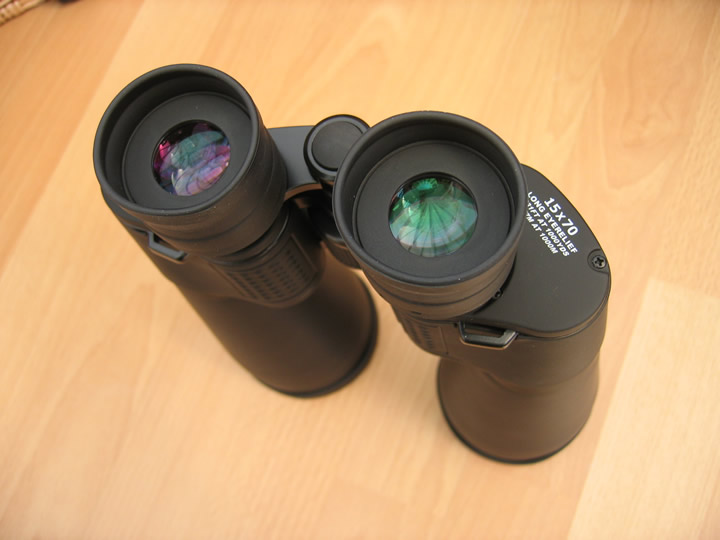
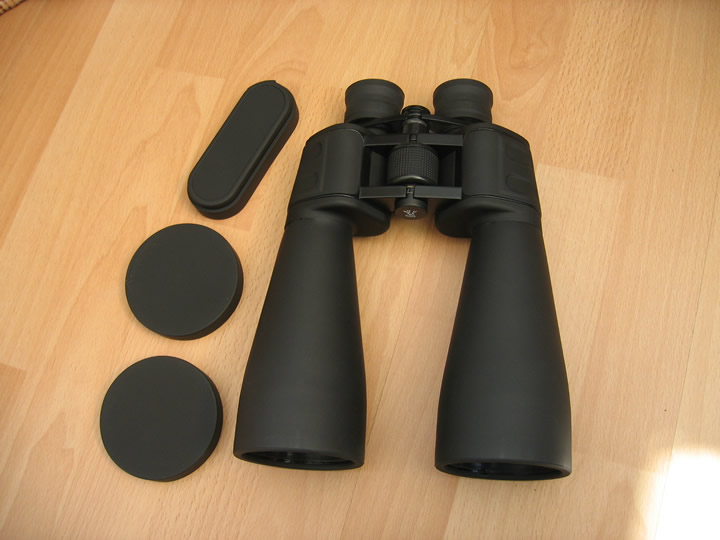
Binocular EyepiecesThe binoculars being reviewed are from Telescope Planet and they are their own make, and are 15×70 (15x zoom with a 70mm lens diameter). They have a nice feel to them as they have a rubberised coating, which I am told is good for grip and reduces the formation of dew.

These binoculars are good for all types of viewing but really excel at astronomy, due to their 15x magnification and 70mm lens. It’s strange to think that even some telescopes have this size lens diameter.

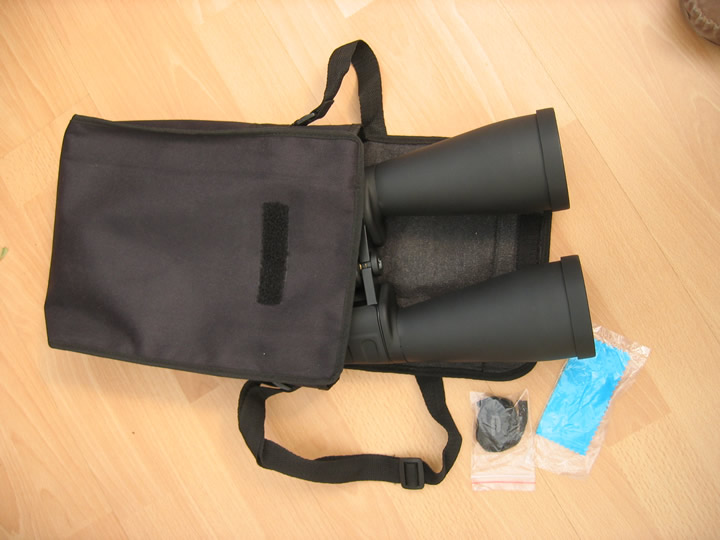
Binoculars and CaseThe binoculars come in their own soft case and come with a binocular strap and cleaning cloth, as well as all eyepiece covers.

These 15×70 binoculars are not light, and I did find myself only being able to hold them for a few minutes before my arms got tired and I started to view star trails with my arms shaking.  I found the best way to hold these long binoculars was by holding the end of the binoculars with both hands, instead of up near the eyepiece and focuser.

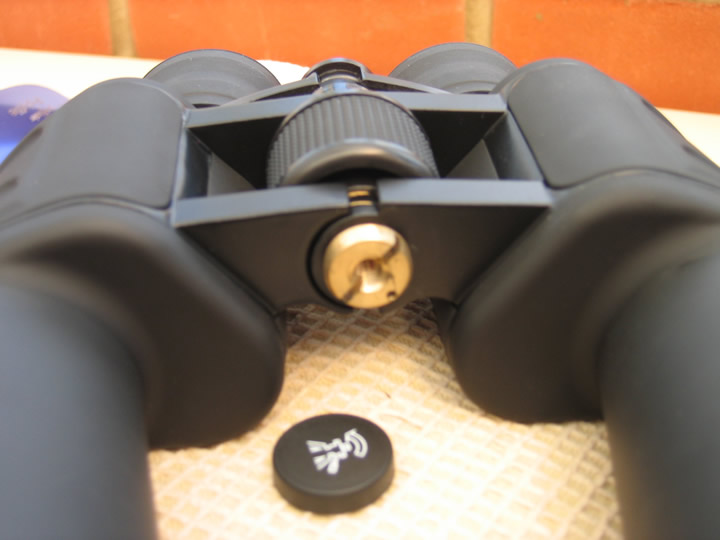
Binocular Tripod AttachmentThe good thing is that they have a standard Universal Bush built into them beneath a protective screw on cover. I would thoroughly recommend purchasing a binocular L bracket (around £10) and putting them on a tripod to get the most out of these, perhaps something I should look at purchasing next.

I could then imagine myself just sitting in the garden on a chair with the binoculars on my tripod gazing up at the stars all night long when I did not want to setup my LX200 outdoors.

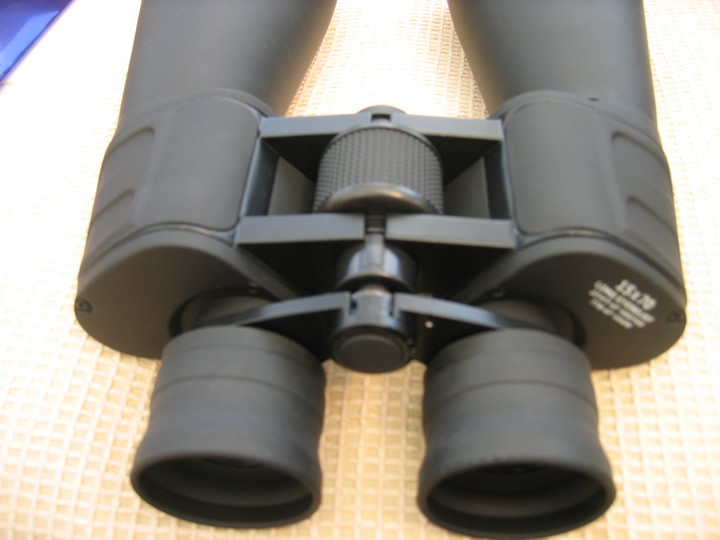
Binoculars from the topThe binoculars come with a standard dioptre adjustment, and they allow you to change the distance between the eyepieces to match your pupil distance.

The focus adjuster was quite stiff and did appear to spring back a little, but it did keep focus and with a bit more use it should become easier to use.

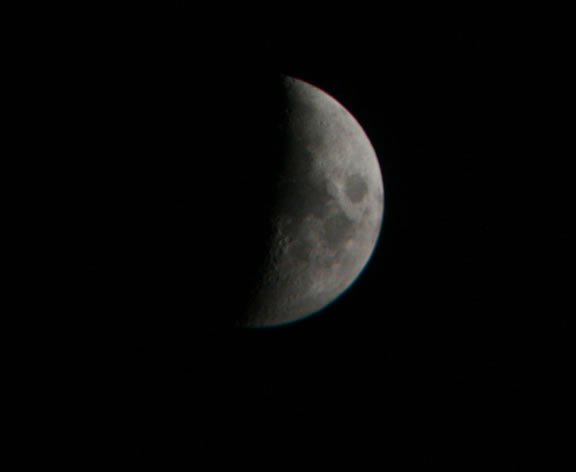
Views of the moon were brilliant with a very fine crisp detail being provided of the lunar surface. I also managed to track satellites in the sky with these binoculars and I even managed to witness a shooting star through them, something that was not visible with the naked eye.

Binoculars and CoversOverall, a very nice pair of binoculars with good magnification and viewing, and some really crisp views of the nights sky. They also have long eye relief (77m at 1,000m or 231ft at 1,000yds)

The only disadvantage is that they are a little heavy to hold, but these would excel when mounted on a tripod using an L type bracket.

Astronomy Binocular Specifications

  • Model: TP 15 x 70 Astronomy Binoculars 
  • Lens: 70mm
  • Magnification: 15x
  • Weight: 1.3kg
  • Supplier: Telescope Planet
  • Price (at 19th April 2008): £79

Buy these 15 x 70 Astronomy Binoculars from Telescope Planet.

New Young Astronomer Born

10th Apr, 2008

New Young Astronomer 2008 - Baby BoyNot posted for a while as last Friday my first son was born at 9.30pm on Friday 4th April weighing in at 7lbs.

Mother and baby boy came home from the hospital on Tuesday. Although he sleeps most of the time, I’m sure his eyes are getting ready for viewing the nights sky.

I saw from my web logs that a few people have been finding my site whilst looking for a power supply for their telescope, and I have no main information on that, so I am adding some.

When I purchased my LX200 I did not purchase the official Meade power supply, but instead used a power supply which I already had.

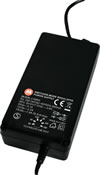
For anybody that is looking for a general purpose (PSU) Power Supply Unit for their telescope then I can recommend this PSU currently being sold at Maplin, by the way mine is very similar to this one below which also came from Maplin and works really well.

Worldwide AC/DC Mains Adaptor ( Worldwide AC/DC PSU )

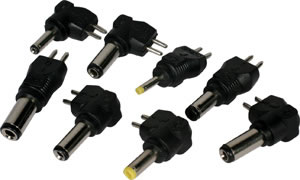
Maplin Telescope Power SupplyThis PSU comes with 8 popular power supply tips and the benefits of this is that it also has attachments making it usable abroad, in case you take your telescope on holiday!

“The lead connecting the power supply to your appliance is 1.6 metres in length and mains cable from the power supply 1.7m. The mains cable is terminated in a moulded-on 2-pin European mains plug which can be fitted with any of the UK, USA and Australasian supplied mains plugs.

Dimensions: 133mm (L) x 68mm (W) x 37mm (H)

PSU Power TipsThe high output current together with the range of popular power tips supplied means this power supply is suited to a multitude of uses. The power tips can be inserted either way around to provide a centre-positive or centre-negative polarity. Specifications:Input voltage:100-240Va”

Buy the Power Supply from Maplin here.

It’s always worth checking the Maplin website from time to time as they occasionally run special offers on this or similar power supply units.